

storm damage prevention Georgia seasonal
Georgia Storm Season 2026: How to Protect Your Home
Georgia storm season runs May through September. Here's a homeowner's checklist to protect your property from wind, rain, and flood damage.
· Fred Terrell
Water damage restoration in Georgia costs between $1,020 and $12,750, with the average homeowner paying around $3,825. The final price depends on how much water, what type of water, and how long it sat before cleanup started. Here is a breakdown of what drives those numbers and what you can do to keep costs down.
There is no single price for water damage restoration because no two water events are the same. A toilet overflow in a bathroom is a completely different job than a burst pipe that floods an entire first floor. Here are the factors that matter most.
The restoration industry classifies water damage into three categories, and each one affects the cost:
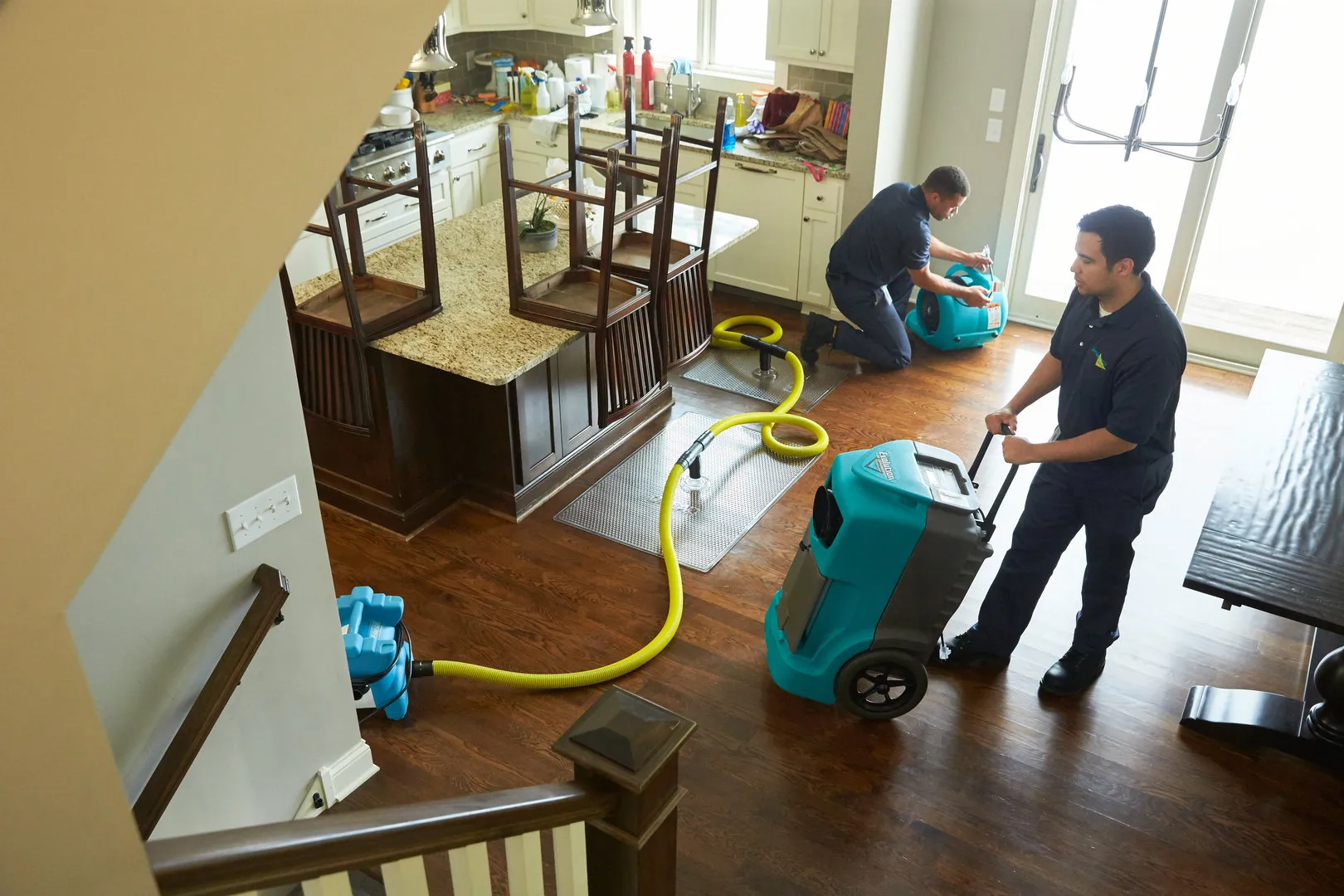
More space means more equipment, more labor, and more drying time. A single-room flood might need two or three air movers and one dehumidifier running for three days. A whole-floor event might need ten or more units running for a week. Equipment rental alone can run $50 to $85 per unit per day at commercial rates.
This is the factor homeowners have the most control over — and the one that matters most. Water that is extracted within the first few hours causes significantly less damage than water that sits for 24, 48, or 72 hours.
Here is why: after 24 hours, drywall begins to swell and lose structural integrity. After 48 hours, mold spores begin to germinate. After 72 hours, mold is actively growing, and materials that might have been dried and saved now need to be torn out and replaced. Every hour of delay shifts costs from “drying” (cheaper) to “demolition and rebuild” (much more expensive).
Once drying is complete, damaged materials need to be repaired or replaced. Common costs include:
A minor event might need no structural repairs. A severe flood can require gutting entire rooms down to the studs.
Here is what Georgia homeowners typically pay for common water damage scenarios:
| Scenario | Typical Cost Range |
|---|---|
| Small bathroom leak (< 50 sq ft) | $1,020 – $2,500 |
| Appliance failure (kitchen/laundry) | $2,000 – $5,000 |
| Burst pipe flooding one room | $3,000 – $6,000 |
| Storm damage with roof leak | $3,500 – $8,000 |
| Major flood (multiple rooms) | $7,000 – $12,750+ |
| Sewage backup | $7,000 – $12,750+ |
These ranges include extraction, drying, antimicrobial treatment, and basic structural repairs. Major reconstruction (full flooring replacement, cabinetry, electrical work) can push costs higher.
In most cases, yes — if the damage was sudden and accidental. Standard Georgia homeowners insurance policies typically cover:
Policies typically do not cover:
The key word in every policy is “sudden and accidental.” If you can show the damage happened unexpectedly and you acted quickly, you have a strong claim. We work with all major insurance carriers in Georgia and handle the documentation, adjuster communication, and scope-of-loss reporting for our clients.
Read our full guide: Does Homeowners Insurance Cover Water Damage in Georgia?
You cannot control when a pipe bursts. But you can control what happens in the first few hours — and that is where most of the savings happen.
The single most effective thing you can do is call a restoration company immediately. Not tomorrow. Not after you try to handle it yourself. Every hour of delay increases damage and cost. At First Response Property Restoration, we respond to Covington and Newton County emergencies within 60 to 90 minutes, around the clock.
If a pipe burst or appliance is the cause, shut off the water supply. Every minute the water keeps flowing is more damage to your floors, walls, and subfloor. Know where your main shutoff valve is before you need it.
A box fan and a hardware store dehumidifier cannot remove moisture from inside wall cavities, under subfloor layers, or in insulation. They dry the surface while moisture stays trapped inside the structure — which leads to mold growth, which turns a $3,000 drying job into an $8,000+ remediation and rebuild.
Take photos and video before any cleanup. Your insurance company needs to see the damage. Keep receipts for any supplies you buy. This documentation directly affects how much your claim pays out.
A restoration company that understands insurance documentation, scope of loss, and adjuster communication can save you thousands in out-of-pocket costs. Poorly documented claims get underpaid or denied.
We are a locally owned restoration company based in Covington, Georgia, serving Newton County and the surrounding area. Here is what we bring to every water damage job:
If water has damaged your home, call (770) 501-6939 now. The faster we start, the less it costs.
Learn more about our water damage restoration services or contact us for a free assessment.

Fred Terrell
Owner & NORMI-Certified Restoration Expert
Fred is the owner of First Response Property Restoration, serving Covington and Newton County since 2024. NORMI certified for mold inspection and remediation, BBB accredited, and committed to restoring homes — and peace of mind — for Georgia families.
Georgia storm season runs May through September. Here's a homeowner's checklist to protect your property from wind, rain, and flood damage.
Water damage restoration takes 3 days to 3 weeks depending on severity. Here's a realistic timeline breakdown by damage category.
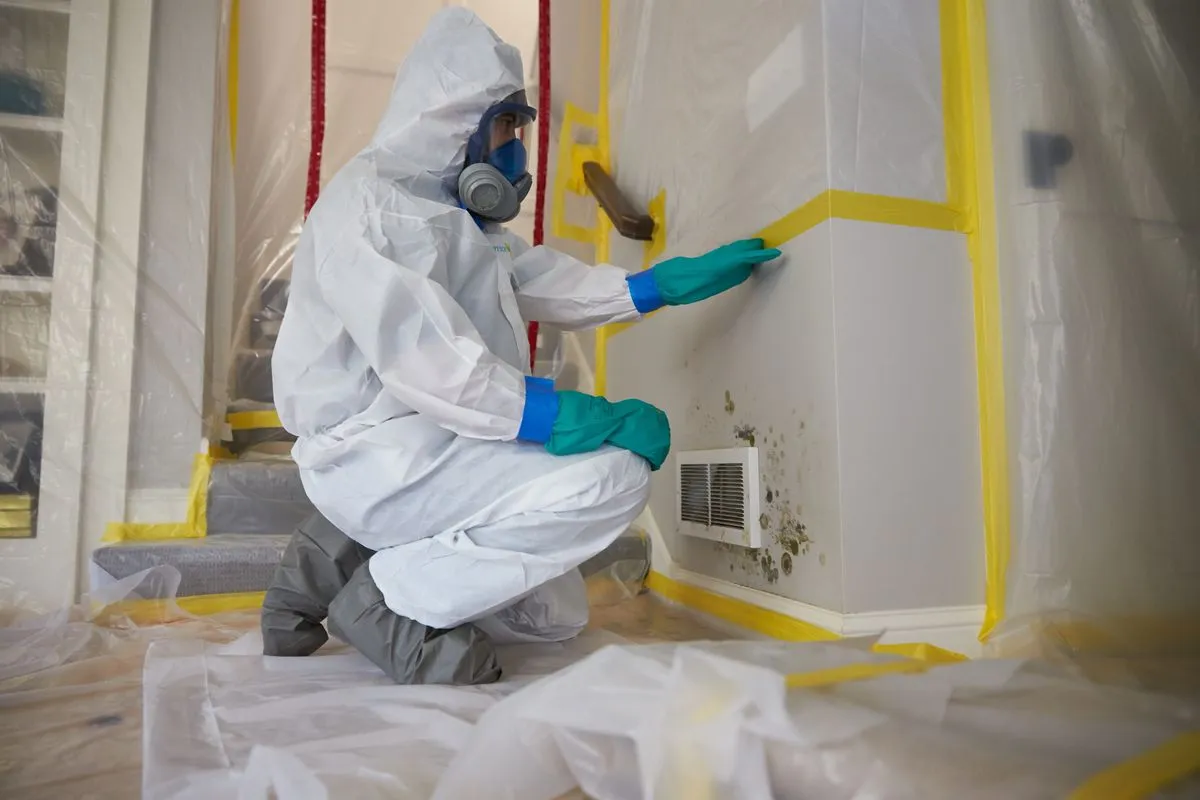
Mold removal and mold remediation are not the same thing. Here's why the distinction matters and what Georgia homeowners should know.
Call now for immediate 24/7 emergency response in Covington and surrounding areas.