

storm damage prevention Georgia seasonal
Georgia Storm Season 2026: How to Protect Your Home
Georgia storm season runs May through September. Here's a homeowner's checklist to protect your property from wind, rain, and flood damage.
· Fred Terrell
How long does water damage restoration take? Most jobs take 3 days to 3 weeks, depending on how much water, what type of water, and how much of the structure is affected. A single-room clean water leak can be dried and repaired in under a week. A severe flood with contaminated water and structural damage can take a month. Here is the honest timeline breakdown from our experience restoring homes across Covington and Newton County, Georgia.
Every water damage job follows the same basic sequence. The phases overlap, but each one has its own timeline. According to the Institute of Inspection, Cleaning and Restoration Certification (IICRC), roughly 14,000 people in the U.S. experience a water damage emergency every day. The faster restoration starts, the shorter every phase becomes.
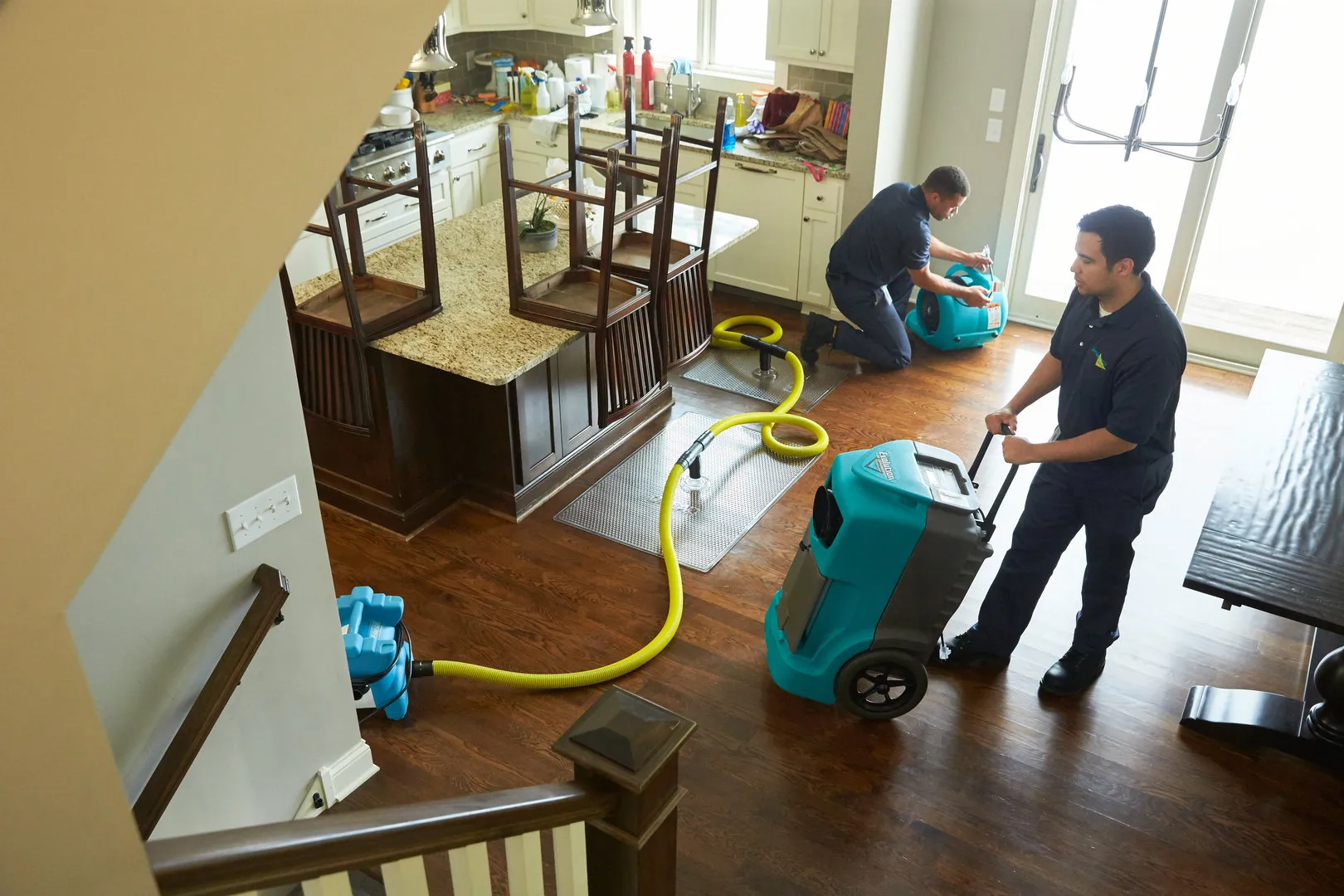
This is the most time-sensitive phase. Standing water causes exponential damage the longer it sits. Our goal at First Response Property Restoration is to have extraction equipment running within hours of your call, not days.
Here is what happens during extraction:
A single-room event with clean water typically takes 2 to 3 hours to extract. A whole-floor flood or multi-story event can take 4 to 6 hours or require a second visit the following morning. Industry data shows that homes where extraction begins within the first 6 hours have restoration costs that are 30 to 50 percent lower than homes where water sits overnight.
Extraction removes the water you can see. Drying removes the water you cannot. This is the phase that determines how long your overall restoration takes, and it is the phase most affected by Georgia’s climate.
We place commercial-grade air movers and dehumidifiers throughout the affected area. A typical room requires 2 to 3 air movers and 1 dehumidifier. A larger job might need 10 or more units running simultaneously. Every unit runs 24 hours a day.
A certified technician returns daily to take moisture readings with pin and pinless moisture meters. Drying is not done when the floor feels dry to the touch. It is done when moisture content in walls, subfloors, and framing returns to normal levels — typically below 15 percent for wood framing. The average structural drying time nationwide is 3 to 5 days, but in the Southeast, it often runs longer. I will explain why below.
This phase overlaps with drying. As the structure dries, we can see exactly what needs to be removed and what can be saved. According to the Environmental Protection Agency, mold can begin growing on damp surfaces within 24 to 48 hours, which is why this assessment cannot wait.
Common removal work includes:
On a moderate job, material removal takes 1 to 3 days and happens while drying equipment is still running.
This is the longest and most variable phase. A minor leak might need nothing more than a fresh coat of paint. A severe flood can require rebuilding entire rooms from the studs out.
Typical repair timelines:
The Insurance Information Institute reports that water damage and freezing account for nearly 24 percent of all homeowner insurance claims. If your job requires an insurance claim, the approval and adjuster inspection process can add 3 to 7 business days to the reconstruction timeline. We work directly with insurance companies to keep this moving — learn more about how insurance handles water damage claims.
| Scenario | Total Timeline | Typical Cost Range |
|---|---|---|
| Minor leak (single room, clean water) | 3 to 5 days | $1,000 to $3,500 |
| Moderate flooding (multiple rooms) | 1 to 2 weeks | $3,500 to $8,000 |
| Severe / Category 3 (contaminated water, structural damage) | 2 to 4 weeks | $7,000 to $12,750+ |
For a detailed cost breakdown, see our guide on water damage restoration costs in Georgia.
This is something national guides will not tell you. Georgia’s average relative humidity runs between 65 and 75 percent for most of the year, and in Newton County summers it regularly exceeds 80 percent. That matters because dehumidifiers work by pulling moisture out of the air, and when the ambient air outside is already saturated, the process is slower and harder.
A drying job that takes 3 days in Arizona can take 5 days here in Covington. We compensate by running more equipment at higher capacity and sealing off affected areas from outside air intrusion. But homeowners should plan for drying times at the longer end of every range listed above, especially between May and October.
Water category is the single biggest factor. Category 1 clean water from a supply line break dries fast and requires minimal removal. Category 3 contaminated water from sewage or flooding requires full removal of all porous materials, antimicrobial treatment, and clearance testing before reconstruction begins.
Square footage directly determines how much equipment is needed and how long drying takes. Every additional room adds air movers, dehumidifiers, and monitoring time.
Response time is the factor you control. The IICRC S500 standard recommends beginning extraction within 24 hours of loss discovery. Every hour beyond that increases damage scope and restoration time.
Insurance approval delays can stall reconstruction even when drying and demolition are complete. Having a restoration company that communicates directly with your adjuster — like we do at First Response — cuts days off this process.
I have seen homeowners lose entire floors of their home because they waited a weekend to call for help. Water damage does not pause. Every hour it sits, it spreads further into subfloors, wall cavities, and framing. What starts as a 3-day job becomes a 3-week job.
If you are dealing with water damage in Covington, Newton County, or anywhere in the surrounding area, call us now at (770) 501-6939. First Response Property Restoration provides 24/7 emergency water damage restoration — we will get equipment running the same day you call. You can also reach us online to schedule an assessment.

Fred Terrell
Owner & NORMI-Certified Restoration Expert
Fred is the owner of First Response Property Restoration, serving Covington and Newton County since 2024. NORMI certified for mold inspection and remediation, BBB accredited, and committed to restoring homes — and peace of mind — for Georgia families.
Georgia storm season runs May through September. Here's a homeowner's checklist to protect your property from wind, rain, and flood damage.
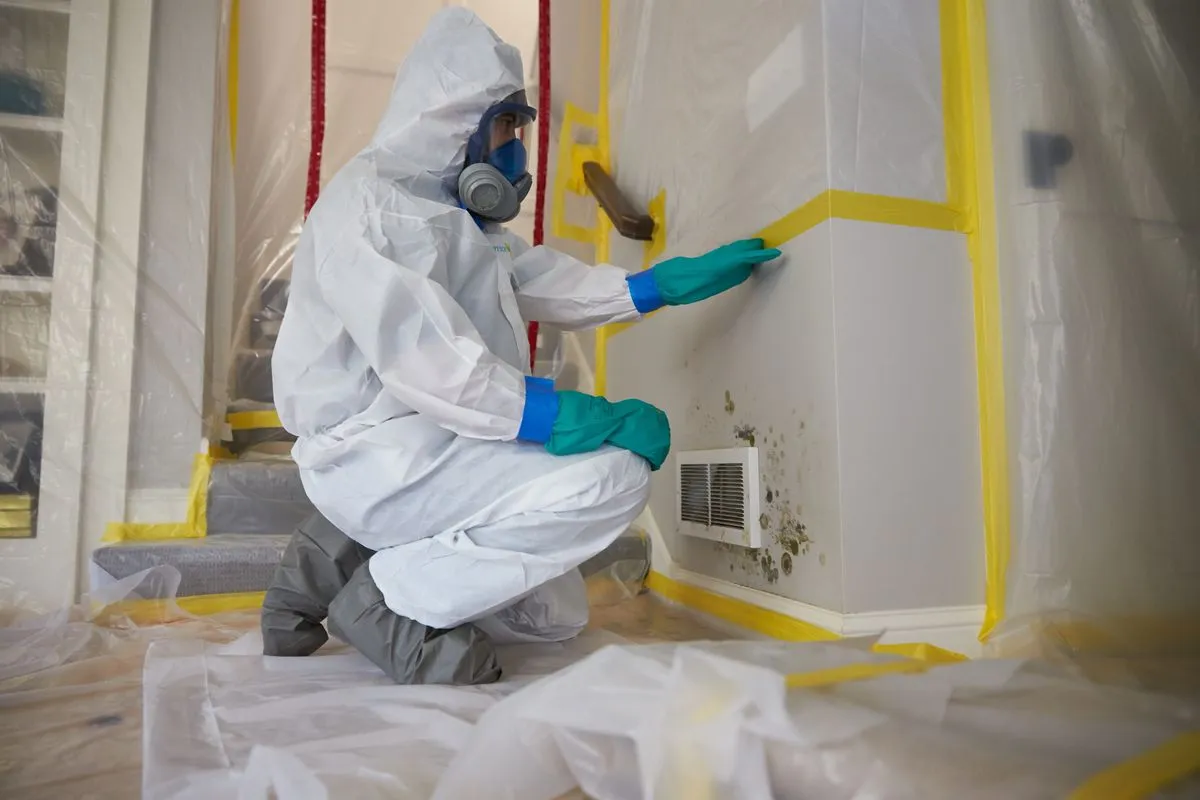
Mold removal and mold remediation are not the same thing. Here's why the distinction matters and what Georgia homeowners should know.
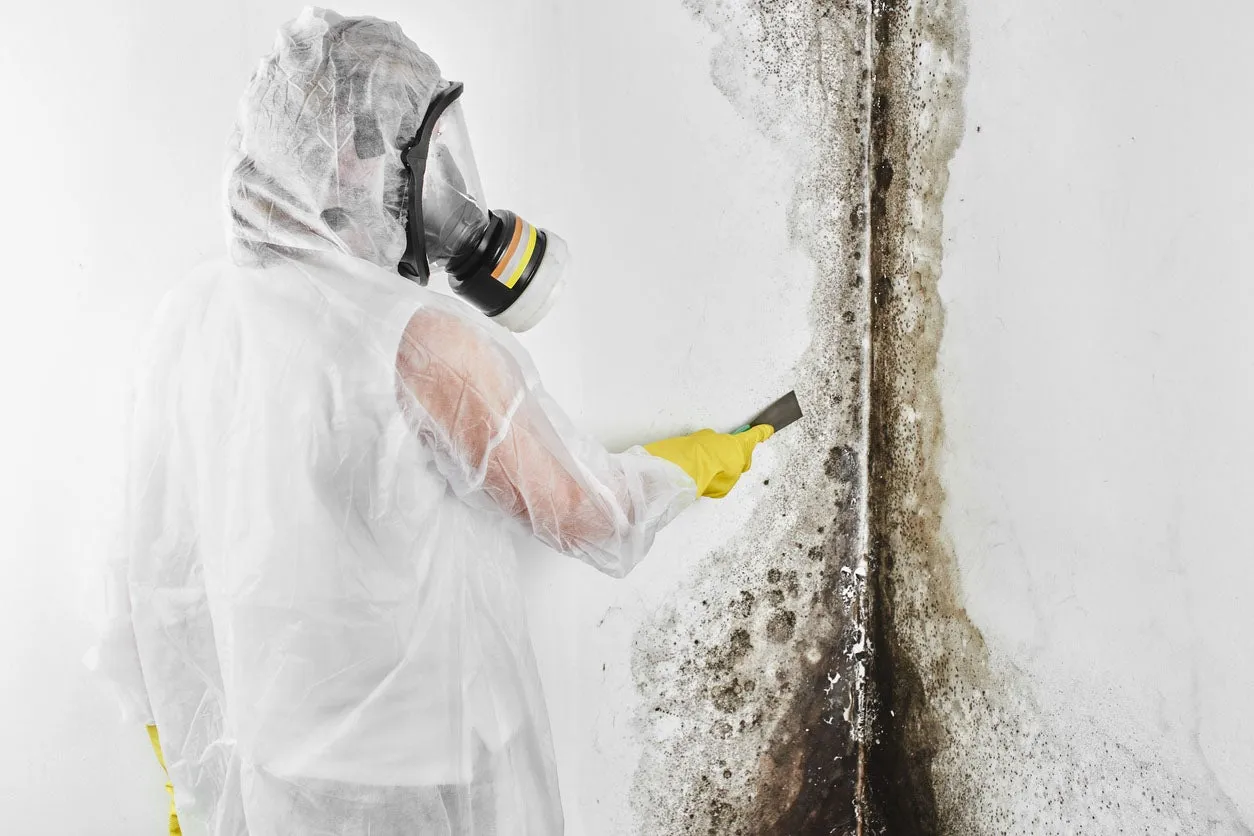
After a house fire, the next 24-48 hours are critical. Here's a step-by-step guide to protecting your family, your property, and your insurance claim.
Call now for immediate 24/7 emergency response in Covington and surrounding areas.