Georgia storm season 2026 runs from May through September, with the highest risk of severe thunderstorms, flash flooding, and tornado activity between June and August. If you own a home in Covington, Newton County, or anywhere in central Georgia, now is the time to prepare — before the first storm cell lights up the radar. Here is your complete guide to protecting your property this year.
When Is Georgia Storm Season?
Peak severe weather in Georgia runs May through September, but dangerous storms can strike any month of the year. Georgia averages roughly 30 tornadoes per year, and the state has two distinct tornado seasons — one in spring (March through May) and another in late fall (November). Severe thunderstorms bring straight-line winds that can exceed 70 mph, large hail, and intense rainfall that overwhelms drainage systems in minutes.
Newton County sits squarely in the path of these systems. Our area receives 50 to 54 inches of rainfall per year — roughly 15 inches above the national average of 38 inches. Much of that rain falls in violent afternoon and evening thunderstorms during the summer months, dropping 2 to 4 inches per hour during the worst events.
The bottom line: if you are not storm-ready by May, you are already behind.
Georgia Severe Weather Preparedness Week
The state designates the first week of February as Georgia Severe Weather Preparedness Week. It is meant to be your annual wake-up call — a reminder to test your emergency plans, check your insurance, and inspect your property before the season ramps up.
If you missed it this year, you still have time. But not much. Storm season does not wait for homeowners who procrastinate.
Newton County Specific Risks
Living in Newton County means dealing with a unique combination of storm threats that many Georgia communities do not face all at once.
Yellow River Flooding
The Yellow River runs through Covington and Porterdale, and it is the single largest flood risk in our area. During heavy rain events, the river rises fast. Porterdale sits at a low elevation along the river, and residents there have seen repeated flooding — water in streets, yards, crawl spaces, and living rooms. According to FEMA data, over 25% of flood insurance claims come from properties outside designated high-risk flood zones. You do not have to be on the riverbank to get flooded.
Afternoon Thunderstorms
From June through August, Newton County sees near-daily afternoon thunderstorms. These are not gentle rains. They are high-intensity downpours that dump massive volumes of water in short windows. Storm drains overflow, gutters back up, and any weakness in your roof, windows, or foundation gets exploited.
The Insurance Gap
Nationally, the average homeowners insurance claim for wind and hail damage is approximately $13,000, according to the Insurance Information Institute. Water damage claims average even higher. And standard homeowners insurance does not cover flood damage — you need a separate NFIP or private flood policy, which has a 30-day waiting period. If you wait until a storm is in the forecast, it is already too late.
Pre-Storm Checklist: 10 Things to Do Now
This is the practical part. Do these before May, and you will be in far better shape than most homeowners in Newton County.
-
Get a roof inspection. Missing shingles, cracked flashing, and deteriorating sealant around vents and chimneys are how water gets inside during storms. A $200 inspection can prevent a $10,000 repair.
-
Clean your gutters and downspouts. Clogged gutters send water cascading down your foundation walls. Make sure downspouts extend at least 6 feet from the house.
-
Trim trees and remove dead branches. Dead limbs become projectiles in high winds. Any branches overhanging your roof are a direct threat. The Insurance Institute for Business & Home Safety recommends keeping all branches at least 6 feet from the roofline.
-
Test your sump pump. Pour water into the sump pit and make sure it activates and pumps properly. If you do not have a battery backup, get one — power outages during storms are common.
-
Seal windows and doors. Check caulking and weatherstripping. Georgia’s temperature swings cause seals to crack and fail. Replacing worn caulk costs a few dollars; water damage behind the walls costs thousands.
-
Build an emergency kit. Flashlights, batteries, a battery-powered radio, first aid supplies, water, non-perishable food, medications, and copies of important documents. Plan for at least 72 hours without power.
-
Review your insurance policy. Know your deductible. Know your coverage limits. Know what is excluded. If you are near the Yellow River or in a low-lying area, get flood insurance now — remember the 30-day waiting period.
-
Know your shutoff valves. Find your main water shutoff and your gas shutoff. Tag them so you can find them in the dark. During a severe storm, you may need to cut utilities quickly. See our guide on what to do when a pipe bursts for more on this.
-
Document your possessions. Walk through your home with your phone camera and video every room, every closet, every drawer of valuables. Upload it to the cloud. If you need to file a claim, this documentation is gold.
-
Secure outdoor furniture and equipment. Patio furniture, grills, trampolines, and unsecured items become dangerous debris in high winds. Bring them inside or anchor them down.
During a Storm: Safety First
When a severe storm hits, your only priority is staying alive. Property can be replaced. You cannot.
- Stay inside and away from windows. Move to an interior room on the lowest floor if a tornado warning is issued.
- Do not drive through flooded roads. It takes just 6 inches of fast-moving water to knock you off your feet and 12 inches to carry away a vehicle. Turn around, don’t drown.
- Watch for electrical hazards. Downed power lines are lethal. If you see one, stay at least 35 feet away and call 911.
- Do not enter flooded areas of your home until you are certain the electricity is off. Water and live electrical circuits are a deadly combination.
After a Storm: What to Do First
Once the storm passes and you are safe, the clock starts ticking. Here is your post-storm action plan.
Document Before You Clean
Take photos and video of all damage — roof, siding, windows, interior, yard. Wide shots and close-ups. Document standing water, debris, and any structural damage you can see. Do not throw anything away until your insurance adjuster has seen it.
Call Your Insurance Company
Report the damage promptly. Most policies require timely notification. Get a claim number and write it down. Keep a log of every conversation.
Call a Restoration Company
This is where speed makes the biggest difference. Mold can begin growing on wet building materials in as little as 24 to 48 hours. Once mold establishes itself, your restoration costs can double or triple, and the health risks to your family escalate quickly. Our Newton County water damage risk guide covers why this area is especially vulnerable to fast mold growth.
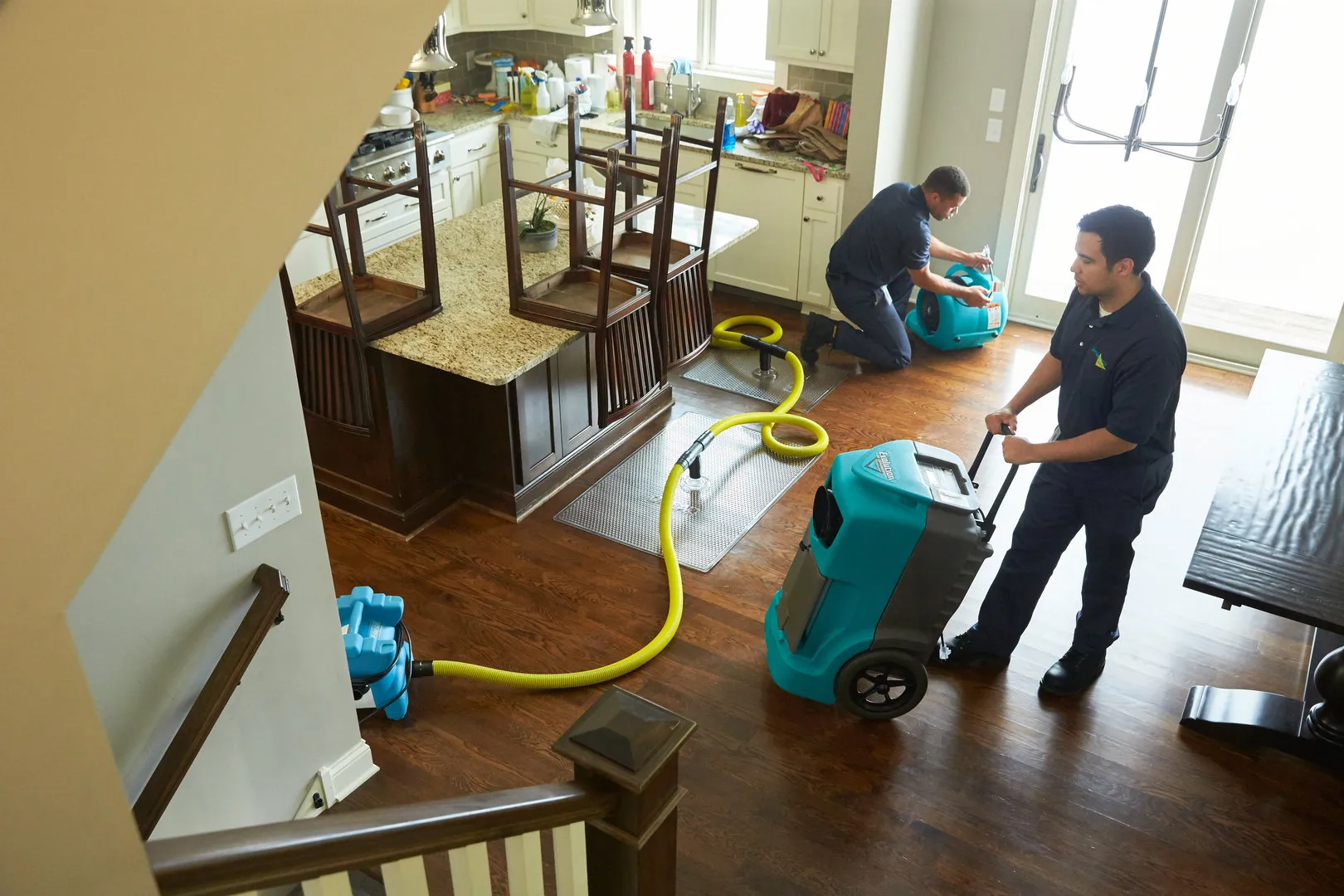
Professional water damage restoration involves industrial extraction, structural drying, moisture mapping, and antimicrobial treatment that household equipment simply cannot match.
Why Speed Matters
Every hour that water sits in your home, it is soaking deeper — into subfloors, behind drywall, into insulation. The first 24 to 48 hours are critical. After that, you are not just dealing with water damage — you are dealing with mold, and the scope of the project expands significantly.
First Response Property Restoration offers 24/7 emergency restoration across Covington, Newton County, Porterdale, and the surrounding area. We can typically be on-site within 60 to 90 minutes, and we work directly with your insurance company to handle the claims process.
Get Ready Now — Not After the Sirens Go Off
Georgia storm season 2026 is coming whether your home is ready or not. The homeowners who prepare now — who inspect the roof, clean the gutters, review the insurance, and know who to call — are the ones who come through storm season with their homes and their wallets intact.
If you have storm damage or want to make sure your home is ready, call First Response Property Restoration at (770) 501-6939. We are local. We are available 24/7. And we know what Newton County storms can do.
Contact us today to schedule a consultation or get emergency help.