

storm damage prevention Georgia seasonal
Georgia Storm Season 2026: How to Protect Your Home
Georgia storm season runs May through September. Here's a homeowner's checklist to protect your property from wind, rain, and flood damage.
· Fred Terrell
Yes — most standard Georgia homeowners insurance policies cover water damage that is sudden and accidental. A burst pipe, an appliance malfunction, or a supply line failure are typically covered. But the details matter. Gradual leaks, flood damage, and maintenance neglect are almost always excluded. Understanding the difference before disaster strikes can save you thousands.
Here is what Georgia homeowners need to know about water damage insurance in 2026.
Standard HO-3 homeowners policies in Georgia — the most common type — generally cover water damage from these sources:
The coverage applies to both the structure (dwelling coverage) and your personal belongings (contents coverage). Most policies also cover additional living expenses if water damage makes your home temporarily uninhabitable — hotel costs, meals, and other necessities.
Average water damage insurance claims in Georgia pay out between $7,000 and $12,000, according to industry data. But that number varies widely depending on the severity and how quickly you act.
This is where most homeowners get surprised. Standard policies exclude several common water damage scenarios:
Flood damage is never covered by standard homeowners insurance. This includes rising water from storms, overflowing rivers, and storm surge. For Newton County homeowners near the Yellow River or in FEMA-designated flood zones, separate flood insurance through the National Flood Insurance Program (NFIP) or a private carrier is essential.
NFIP flood insurance costs Georgia homeowners an average of $700 to $1,200 per year and has a 30-day waiting period before coverage begins. Do not wait until storm season to buy it.
If your insurer can show that the damage resulted from a slow, ongoing leak that you knew about (or should have known about), the claim will be denied. A pipe that has been dripping behind the wall for six months is not “sudden and accidental” — it is deferred maintenance.
This is one of the most common claim denials in Georgia. The insurance company will send an adjuster who can usually tell the difference between a sudden failure and a long-term leak based on the condition of surrounding materials.
Standard policies exclude damage from sewer line backups and sump pump failures. However, most Georgia insurers offer a sewer backup rider for an additional $40 to $75 per year. Given that sewage backup cleanup can cost $7,000 to $12,000+, this rider is worth every penny.
Most Georgia policies have a mold sublimit — typically $5,000 to $10,000 — and only cover mold that results from a covered water loss. If a burst pipe causes mold because you did not call a professional quickly enough, the insurer may argue the mold was preventable and reduce or deny the mold portion of your claim.
This is exactly why speed matters. Mold begins growing within 24 to 48 hours of water exposure. The faster you get professional drying equipment running, the stronger your case that mold was unavoidable — and the more likely your insurer covers the full cost.
Georgia has made several changes that affect homeowners filing water damage claims:
These changes give Georgia homeowners more protection, but they do not change the fundamental rule: document everything, act fast, and file promptly.
If water damage hits your Covington or Newton County home, follow this process to maximize your claim:
Shut off the water supply if the damage is from a plumbing failure. This shows your insurer you took reasonable steps to mitigate further damage — which is actually a requirement of most policies. Failure to mitigate can reduce your payout.
Grab your phone and photograph every affected area — wide shots and close-ups. Video is even better. Document the source of the water if you can find it. Keep a written timeline: when you discovered the damage, what time, what you did.
Do not throw anything away until your adjuster has seen it. Damaged items are evidence.
Report the claim as soon as possible. Most Georgia policies require “prompt notification” — waiting days or weeks can give the insurer grounds to reduce or deny the claim. Ask for a claim number and your adjuster’s contact information.
This is not optional. Insurance companies expect professional mitigation for any significant water loss. A restoration company provides:
At First Response Property Restoration, we work directly with Georgia insurance adjusters every week. We know what documentation they need, what format they want it in, and how to present a scope of loss that accurately reflects the damage. This is not our first claim — and it shows.
Any emergency expenses — towels, buckets, fans, temporary lodging, meals — should be documented with receipts. These are reimbursable under your policy’s additional living expenses coverage.
After responding to hundreds of water damage calls in Covington and Newton County, I have seen the same claim mistakes over and over:
Dealing with water damage is stressful enough without becoming an insurance claims expert overnight. At First Response Property Restoration, insurance coordination is built into every job we do.
We document the loss from the moment we arrive. We communicate directly with your adjuster. We provide detailed moisture reports, progress documentation, and final scope-of-loss reports that support full claim payment. Our clients do not have to fight for fair coverage — the documentation speaks for itself.
If you are dealing with water damage in Covington or Newton County, call (770) 501-6939. We respond 24/7 and can be on site within 60 to 90 minutes.
Learn more about our water damage restoration services or our emergency response.

Fred Terrell
Owner & NORMI-Certified Restoration Expert
Fred is the owner of First Response Property Restoration, serving Covington and Newton County since 2024. NORMI certified for mold inspection and remediation, BBB accredited, and committed to restoring homes — and peace of mind — for Georgia families.
Georgia storm season runs May through September. Here's a homeowner's checklist to protect your property from wind, rain, and flood damage.
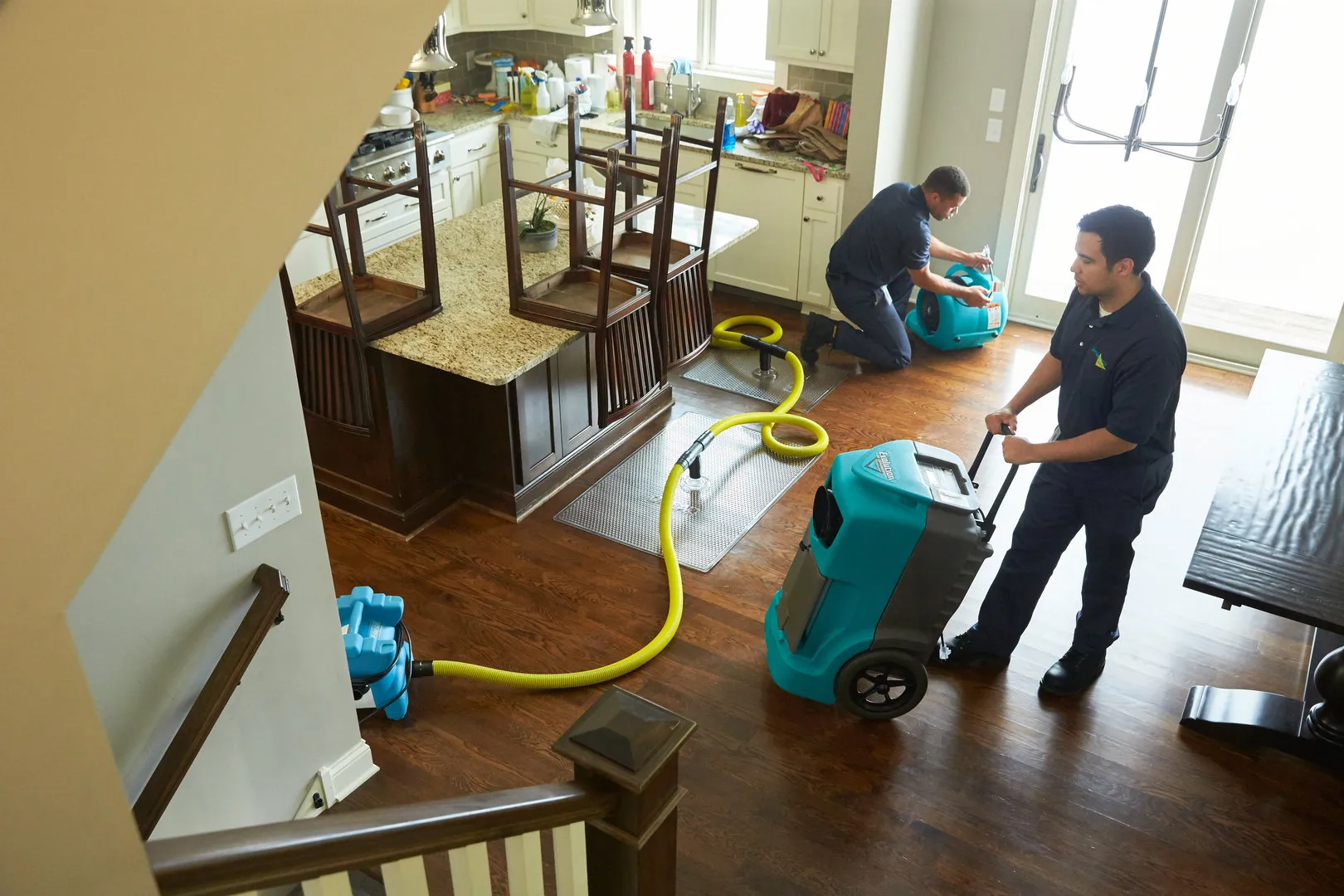
Water damage restoration takes 3 days to 3 weeks depending on severity. Here's a realistic timeline breakdown by damage category.
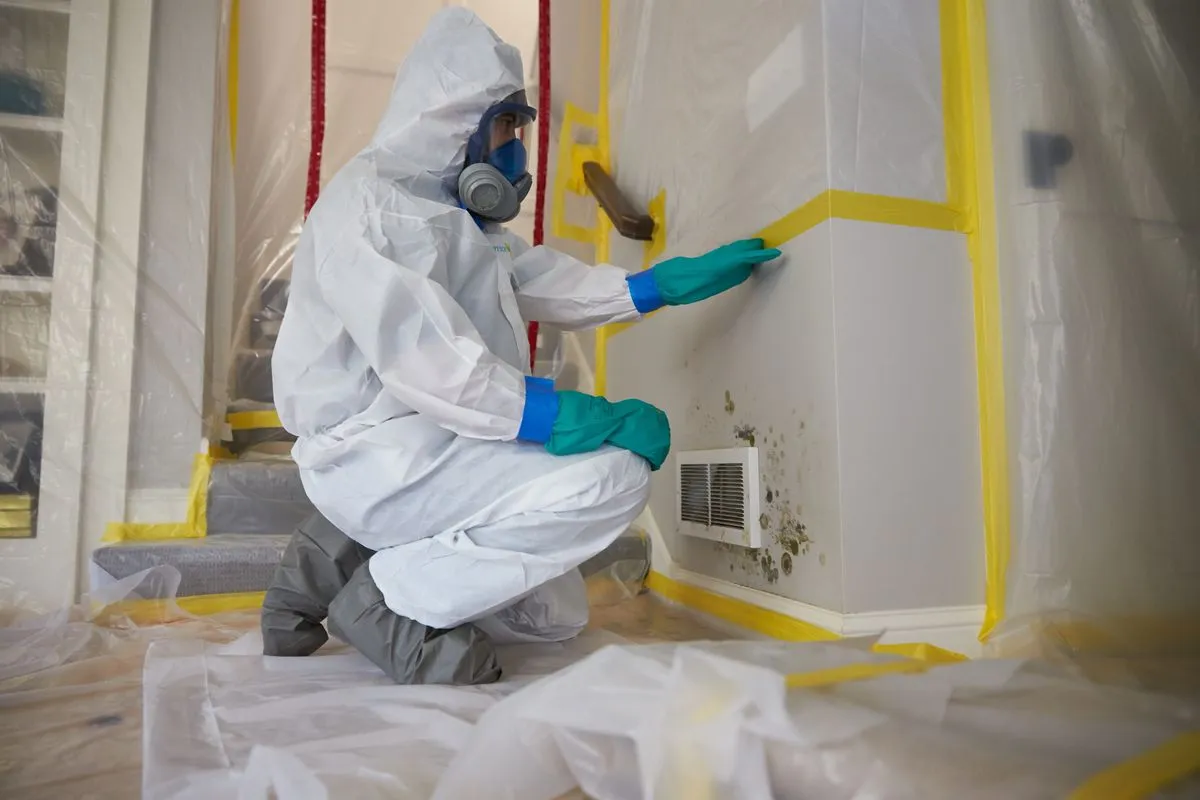
Mold removal and mold remediation are not the same thing. Here's why the distinction matters and what Georgia homeowners should know.
Call now for immediate 24/7 emergency response in Covington and surrounding areas.